The article presents and analyses selected digital humanities projects and research initiatives in which libraries and other heritage institutions participate actively. These ambitious global projects supplement the existing knowledge on general and specific social and cultural-historical phenomena in the field of written cultural heritage with the help of web-based applications, tools and the collaborative location-independent research approach. Indirectly, the article also gives insight into the analogue and the digital aspects of digital humanities, as well as into the opportunities that the field offers to researchers, libraries, and other heritage institutions – also as potential initiators, hosts and active partners in such projects, as well as in in the international research communities and initiatives.
Slovenian Artificial Intelligence Factory (SLAIF) provides an environment for the development and deployment of artificial intelligence (AI), integrating supercomputing capabilities, data resources, expertise and the European EuroHPC infrastructure. The project aims to accelerate research, innovation and the adoption of AI solutions in science, the economy and the public sector.
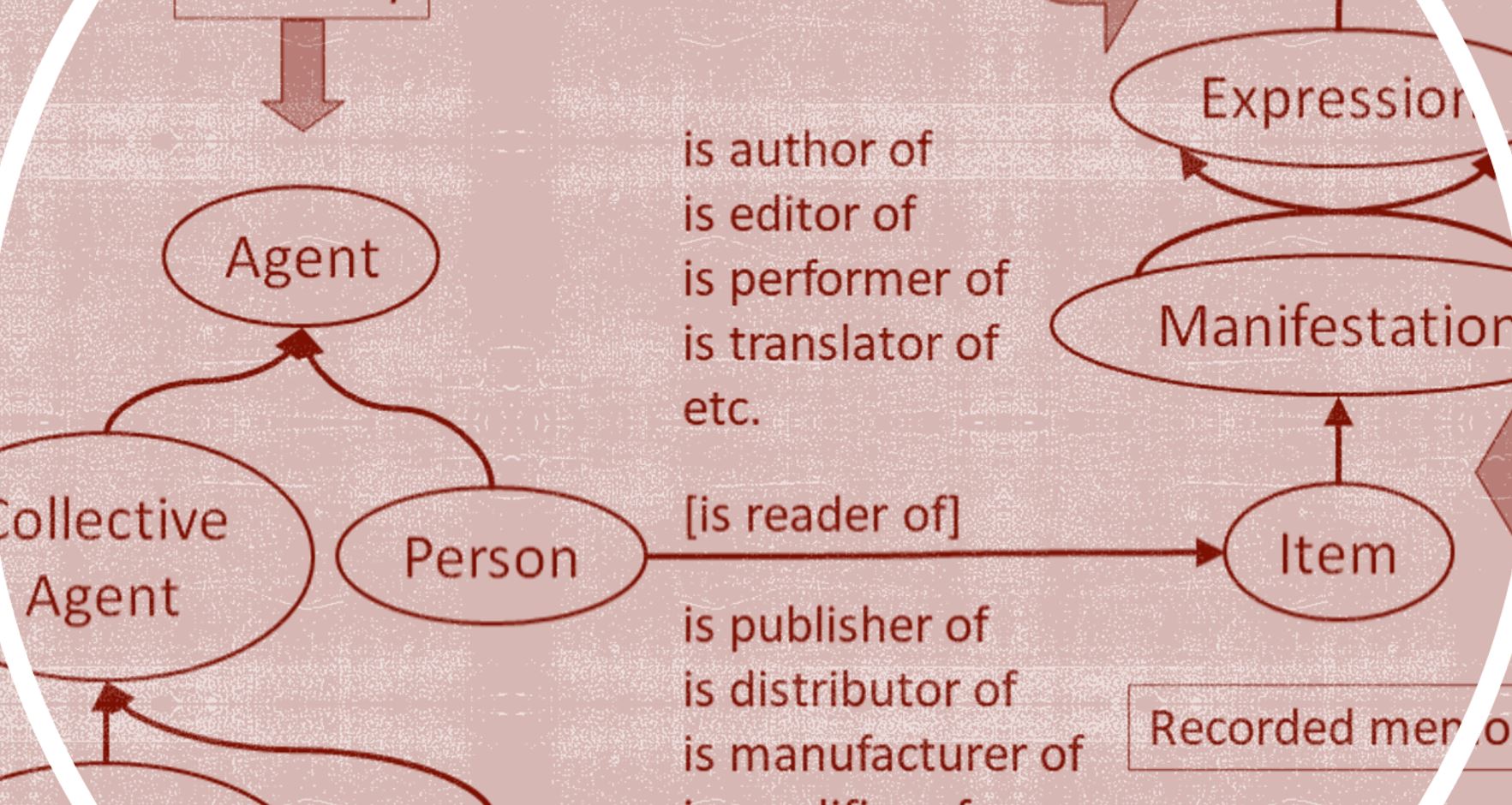
The paper discusses challenges in the development of UNIMARC as an encoding standard for metadata content that conforms to the stipulations of ISBD for Manifestation, an implementation of the IFLA Library Reference Model. UNIMARC already encodes metadata controlled by ISBD: International Standard Bibliographic Description, the precursor of ISBD for Manifestation.
The paper describes the methodology of a study of reading habits and reading culture of librarians and library management in Slovenian libraries, which is a part of a broader survey in the project Reading role models: reading habits of professional staff in kindergartens, schools and faculties and public libraries – i.e. a study of all professionals involved in and influencing reading literacy and reading culture, as well as of students for these professions.
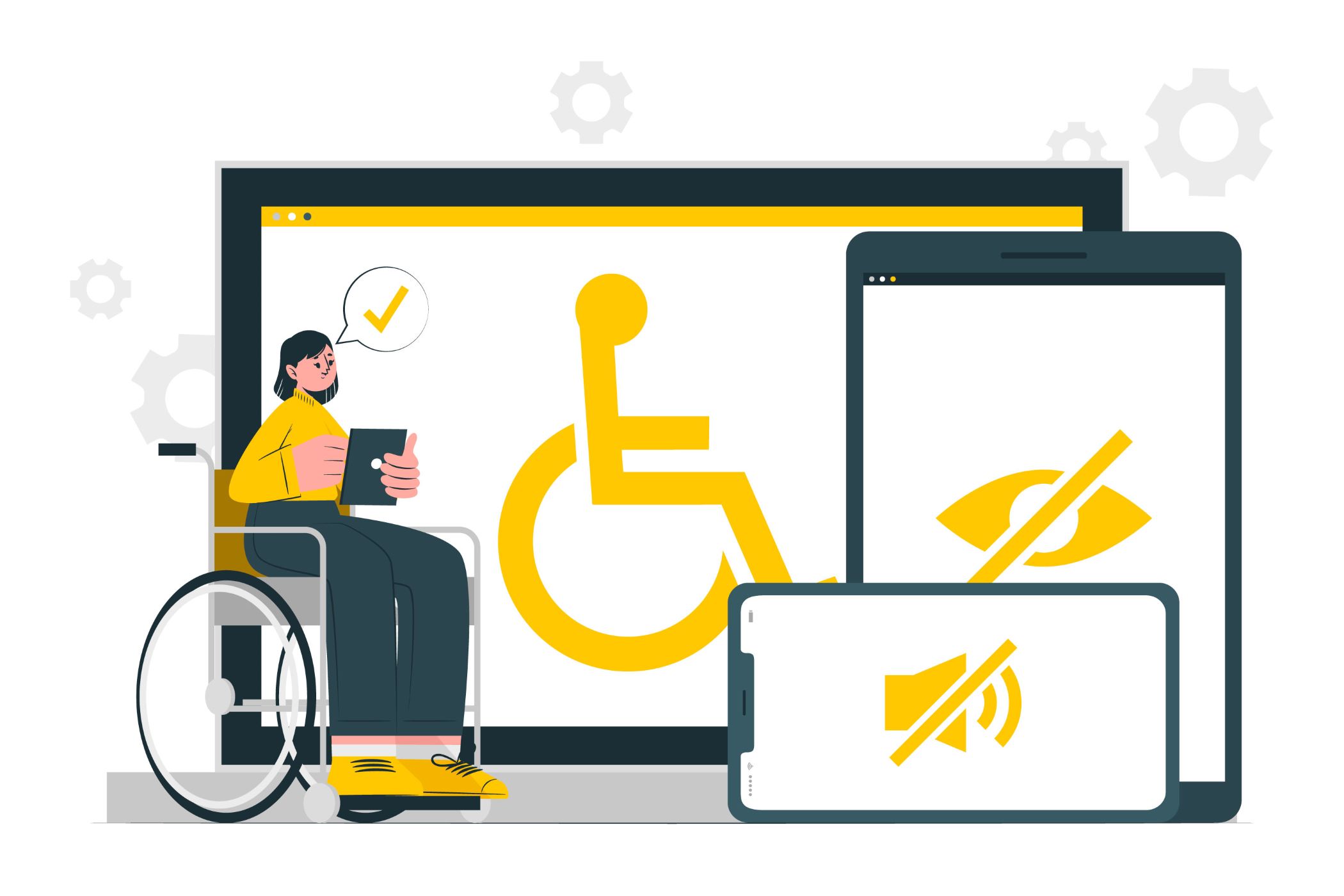
One of the key tasks of the e-ARH.si: ESS 2016–2020/2021 project was ensuring accessibility for vulnerable groups. To achieve this goal, we included individuals with disabilities in the project team. As part of this project, more than 2,100 different types of archival records were adapted, and the websites of all six regional archives were adjusted for vulnerable groups.
In Bosnia and Herzegovina, in 1945, the Decree on Mandatory Delivery of Printed Matters in Bosnia and Herzegovina and the Decree on the National Library of Federal Bosnia and Herzegovina were passed, which laid the legal foundations for creating a Bibliography of Bosniaca. Later in B&H, following the foundation of the B&H Library Association in 1955, the first B&H librarianship journal, the Bulletin of the B&H Library Association and the National Library of the People's Republic of B&H was launched, where the journal was first renamed to Librarianship: Journal of the B&H Library Association and then to Librarianship: Yearbook of the B&H Library Association.
The article presents in detail the data on the annual increment of bibliographic records in 2022 at annual and monthly levels. The analysis includes 171,503 bibliographic records created by 546 cataloguers. In the last quarter of the year, 27.5% of bibliographic records were created.
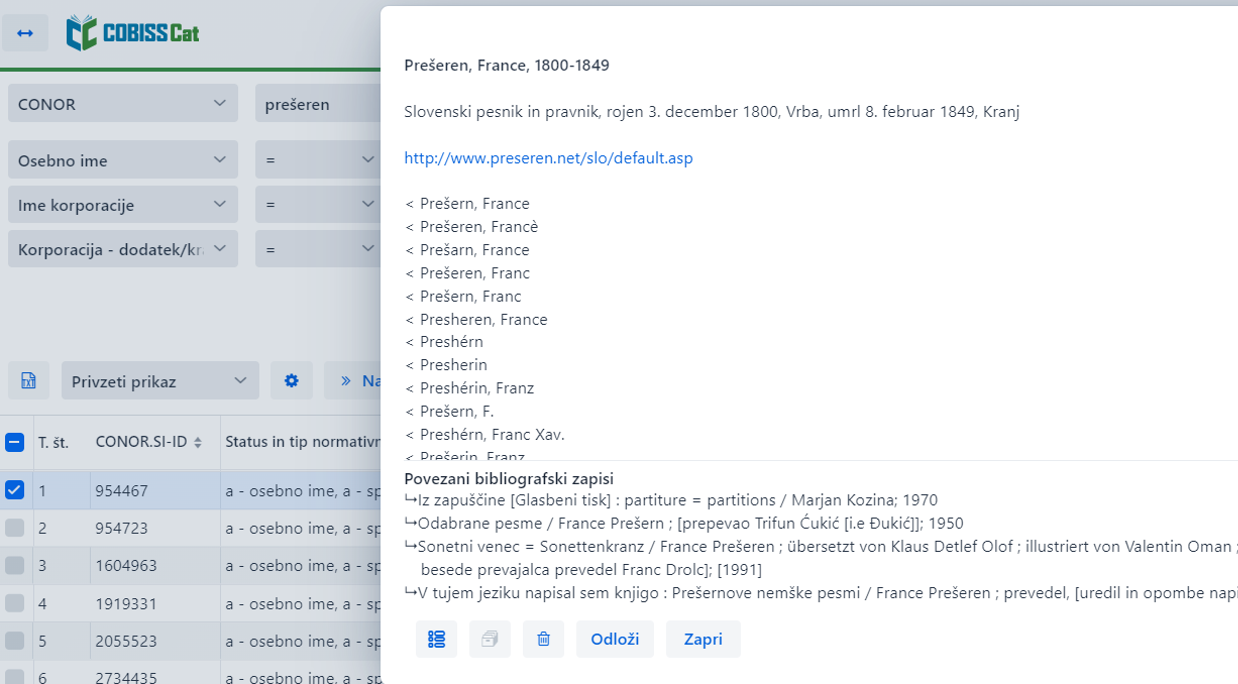
Authority control is an important part of cataloguing. The Slovene CONOR.SI authority file including authority records for individual and corporate authors, enables among others identification of authors. The purpose of the research was to find out cataloguers’ opinions on its usefulness, its advantages and disadvantages, and how creating authority records for corporate authors was practised. The survey was conducted as an online questionnaire and interview, 73 cataloguers from academic libraries participated. The results showed that the majority of surveyed cataloguers were satisfied with CONOR.SI.
Kranj City Library is the central regional library, which, among other things, implements programs for reading literacy, information literacy, lifelong learning and intergenerational cooperation. In this context, we joined the international project Libraries of Emotions with the aim of introducing an innovative reading promotion service. In the paper, the project and the process of implementing practical content were presented.
The concept of web accessibility provides the basis for ensuring accessibility of websites and mobile apps for all users, primarily for persons with a disability. The Accessibility of Websites and Mobile Applications Act from 2018 represents a regulation of minimal harmonization and it summarizes the EU directive. Although the act was adopted several years ago, the situation in Slovenia is still relatively undeveloped.
The Fifth Information Age is characterised by the ubiquitous recording of social transactions in an explosion of persistent cultural memory. A person who contributes to social media is an agent who creates digital cultural artefacts. The internet of things, of personal devices for the capture, creation, transmission, and output of information means everyone is potentially an author, a publisher, a distributor, with a profound impact on traditional methods of authority control. The focus of authority control is shifting from the provision of a unique label for an individual person or group to the description of an individual as an instance of a class, as an entity.
We use cookies to ensure that we give you the best experience on our website. If you continue to use this site we will assume that you are happy with it.