
25 let IBMI
Keywords
- Year: 2002
- Volume (number): 07 (1-2)
- Published: 30. 6. 2002
- Article number: /
Related Posts

Accessibility for vulnerable groups in the Archives of the Republic of Slovenia
One of the key tasks of the e-ARH.si: ESS 2016–2020/2021 project was ensuring accessibility for vulnerable groups. To achieve this goal, we included individuals with disabilities in the project team. As part of this project, more than 2,100 different types of archival records were adapted, and the websites of all six regional archives were adjusted for vulnerable groups.

Contribution to the Research on Bibliographic Activity Development in Bosnia and Herzegovina (1955-2001)
In Bosnia and Herzegovina, in 1945, the Decree on Mandatory Delivery of Printed Matters in Bosnia and Herzegovina and the Decree on the National Library of Federal Bosnia and Herzegovina were passed, which laid the legal foundations for creating a Bibliography of Bosniaca. Later in B&H, following the foundation of the B&H Library Association in 1955, the first B&H librarianship journal, the Bulletin of the B&H Library Association and the National Library of the People's Republic of B&H was launched, where the journal was first renamed to Librarianship: Journal of the B&H Library Association and then to Librarianship: Yearbook of the B&H Library Association.
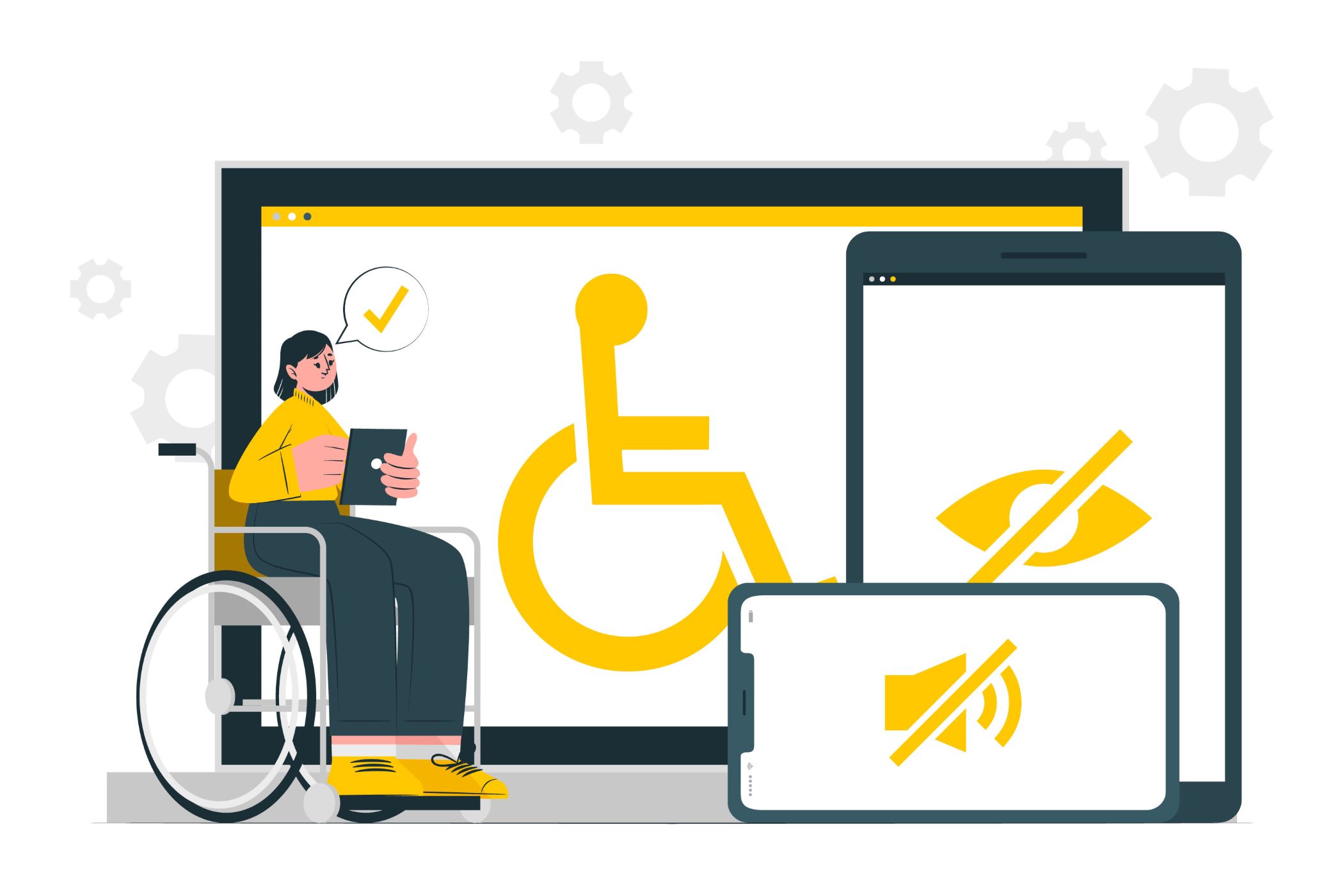
Challenges of approaches to improving web accessibility
The concept of web accessibility provides the basis for ensuring accessibility of websites and mobile apps for all users, primarily for persons with a disability. The Accessibility of Websites and Mobile Applications Act from 2018 represents a regulation of minimal harmonization and it summarizes the EU directive. Although the act was adopted several years ago, the situation in Slovenia is still relatively undeveloped.
The historical role of the VMS operating system in the development of COBISS
The paper reviews, with some historical distance, the circumstances leading to the VMS operating system becoming the basis for developing and implementing the COBISS national shared bibliographic system.

Digital humanities: a whim or a (bibliographical) routine?
The article presents and analyses selected digital humanities projects and research initiatives in which libraries and other heritage institutions participate actively. These ambitious global projects supplement the existing knowledge on general and specific social and cultural-historical phenomena in the field of written cultural heritage with the help of web-based applications, tools and the collaborative location-independent research approach.
Reactive programming
Due to a large number of web devices and many end users, who want constant availability and quick responsiveness of applications, new approaches to computer programming are required. The concept of reactive programming, its basic characteristics, reactive solutions and microservices based on asynchronous operation are presented.