Language, used by literature, is a sort of assembly of all partial language functions in the unique and independent heritage function. There is a real revolution going on in this laboratory this very moment. Digitalised text ended the illusion of any final state of documents and its technological and social petrified functions. This was brought to our attention by some marginal literary use in sixties of seventies, but today this is the central phenomenon, opening the questions of perception and reception of electronic form as an independent media. Therefore there is of great importance to encourage development of programs that will bring digital texts in the broad use. One of the forms of such program is the first Slovene literary online review Locutio on-line and its story presents some new relations between language and writing.
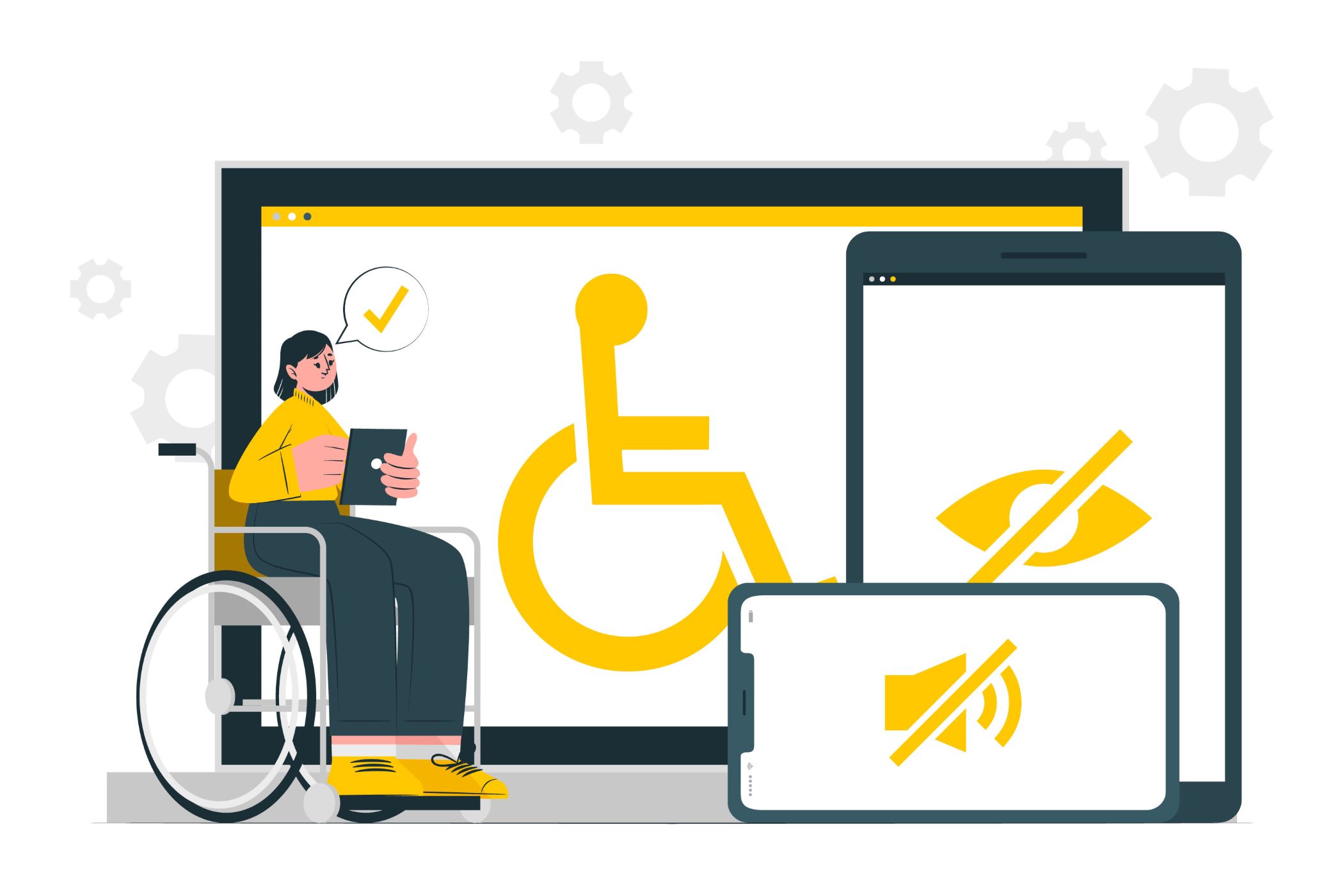
One of the key tasks of the e-ARH.si: ESS 2016–2020/2021 project was ensuring accessibility for vulnerable groups. To achieve this goal, we included individuals with disabilities in the project team. As part of this project, more than 2,100 different types of archival records were adapted, and the websites of all six regional archives were adjusted for vulnerable groups.
The concept of web accessibility provides the basis for ensuring accessibility of websites and mobile apps for all users, primarily for persons with a disability. The Accessibility of Websites and Mobile Applications Act from 2018 represents a regulation of minimal harmonization and it summarizes the EU directive. Although the act was adopted several years ago, the situation in Slovenia is still relatively undeveloped.
The paper reviews, with some historical distance, the circumstances leading to the VMS operating system becoming the basis for developing and implementing the COBISS national shared bibliographic system.
The article presents and analyses selected digital humanities projects and research initiatives in which libraries and other heritage institutions participate actively. These ambitious global projects supplement the existing knowledge on general and specific social and cultural-historical phenomena in the field of written cultural heritage with the help of web-based applications, tools and the collaborative location-independent research approach.
Due to a large number of web devices and many end users, who want constant availability and quick responsiveness of applications, new approaches to computer programming are required. The concept of reactive programming, its basic characteristics, reactive solutions and microservices based on asynchronous operation are presented.
The E-CRIS web applications representing research activities in countries that participate in the COBISS.Net system make it possible to access data in the XML format adjusted for communication among computers. Internal IZUM applications and different applications of scientific institutions access the data. In 2016, access to a wider data set in the JSON format was made possible.
We use cookies to ensure that we give you the best experience on our website. If you continue to use this site we will assume that you are happy with it.