
International perspectives on current research information
Related Posts

Survey on Open Science in Slovenia by Slovenian Research and Innovation Agency
In the spring of 2025, the Slovenian Research and Innovation Agency (ARIS) conducted a survey on the implementation of open science principles, to obtain the data to assess the enforcement of open science in the practices of research organizations in 2024.

Dialectical reflections on scientific and professional e-journals
The paper presents the contributions of participants at the consultation on scientific and professional publications on e-journals at the beginning of the 1990s, which was organised at the Institute of Information Science (IZUM) in Maribor in December 1991. The emphasis is also placed on IZUM's e-bulletin, which was entered into one of the first directories of e-journals and other e-bulletins worldwide from the same year. Communication is the essence of scientific progress, particularly e-journals.

Overhaul of the application of the Slovenian Current Research Information System (SICRIS)
The article presents upgrades and features of the new SICRIS application version, based on updated trasfer of data from ARRS, migration to open source environment and updated web services. In 2022, the project of migration from the Windows platform (MS SQL, ASP.NET, IIS) to the Linux platform (PostgreSQL, Java EE, Wildfly) was completed.
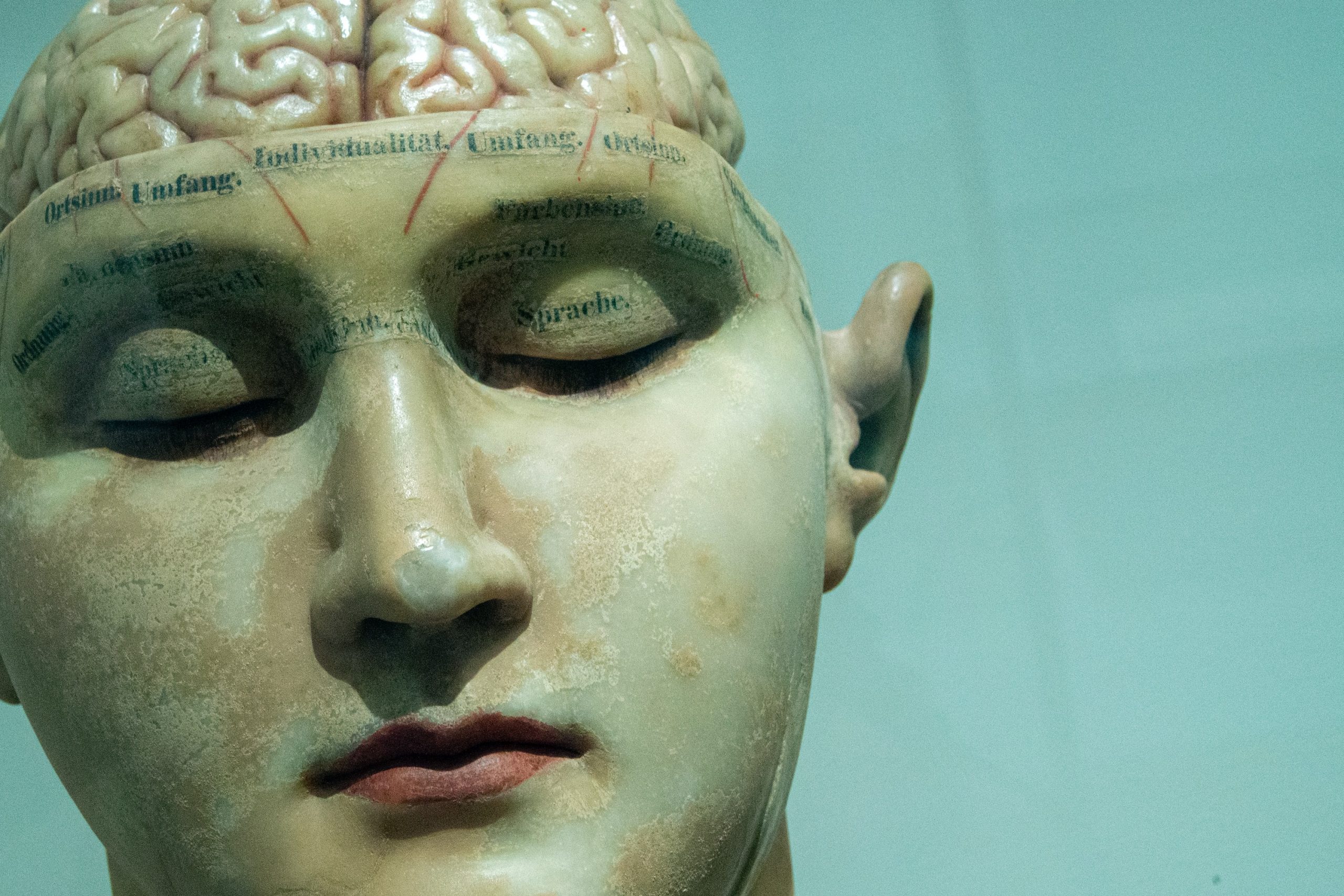
Connection between information science and psychology based on the example of the paradox of wisdom, part 1
Wisdom is one of many human mental capabilities. Mental vitality is stereotypically associated with youth and mental decline with old age. However, also aging is a price of wisdom. The connection between neurological decline (senility, dementias) and wisdom development during aging is referred to as the paradox of wisdom.
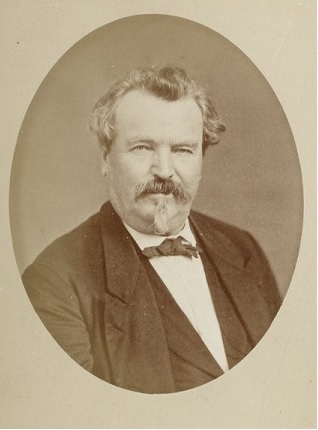
Hoaxes, myths and prejudice in science: example of Pierre Trémaux
The literature review is an integral part of research. The story of Pierre Trémaux (1818–1895) illustrates how factors, such as hoaxes, fabrications, untrue stories, myths and prejudice, which have nothing to do in science, difficulties in comprehending and accepting new scientific paradigms and also slow and geographically limited dissemination of scientific findings, which results in not being familiar with scientific findings and discoveries elsewhere in the world, are harmful for the ecology of scientific communication.

CRIS and JSON
The E-CRIS web applications representing research activities in countries that participate in the COBISS.Net system make it possible to access data in the XML format adjusted for communication among computers. Internal IZUM applications and different applications of scientific institutions access the data. In 2016, access to a wider data set in the JSON format was made possible.


SICRIS, V3
A new online user interface SICRIS, V3, was developed. Responsive web design concepts and support for mobile devices and touchscreens on the basis of jQuery Mobile framework were taken into account. Public access allows all functionalities of the previous version, and some new functionalities, such as advanced search, were added.

Dissemination of knowledge: process systematization and its implementation
Dissemination proved to be a complex process that can take very diverse paths with questionable outcomes if not shaped correctly. And there are variety of views in research communities and the society of what the dissemination is. In such a situation it is natural to develop a more solid comprehension of the concept and, based on this, a model of the environment for the dissemination.
