In this paper, information infrastructure is treated as a constant condition to obtain added value in the form of effective access to public sector information. Services provided by the information society are a typical case of infrastructure activities, which are defined as such the moment they are placed in an environment as norms and standards. The paper further explores the need for better transparency of public sector information and on this basis argues the need to treat the public segment of library and bibliographic systems as the key source to such information. The specific case shows which four activities have to be performed to achieve effective, integral and cooperative access in order to use such systems within the entire geopolitical area of the Central European Initiative countries.
In the spring of 2025, the Slovenian Research and Innovation Agency (ARIS) conducted a survey on the implementation of open science principles, to obtain the data to assess the enforcement of open science in the practices of research organizations in 2024.
The paper presents the contributions of participants at the consultation on scientific and professional publications on e-journals at the beginning of the 1990s, which was organised at the Institute of Information Science (IZUM) in Maribor in December 1991. The emphasis is also placed on IZUM's e-bulletin, which was entered into one of the first directories of e-journals and other e-bulletins worldwide from the same year. Communication is the essence of scientific progress, particularly e-journals.
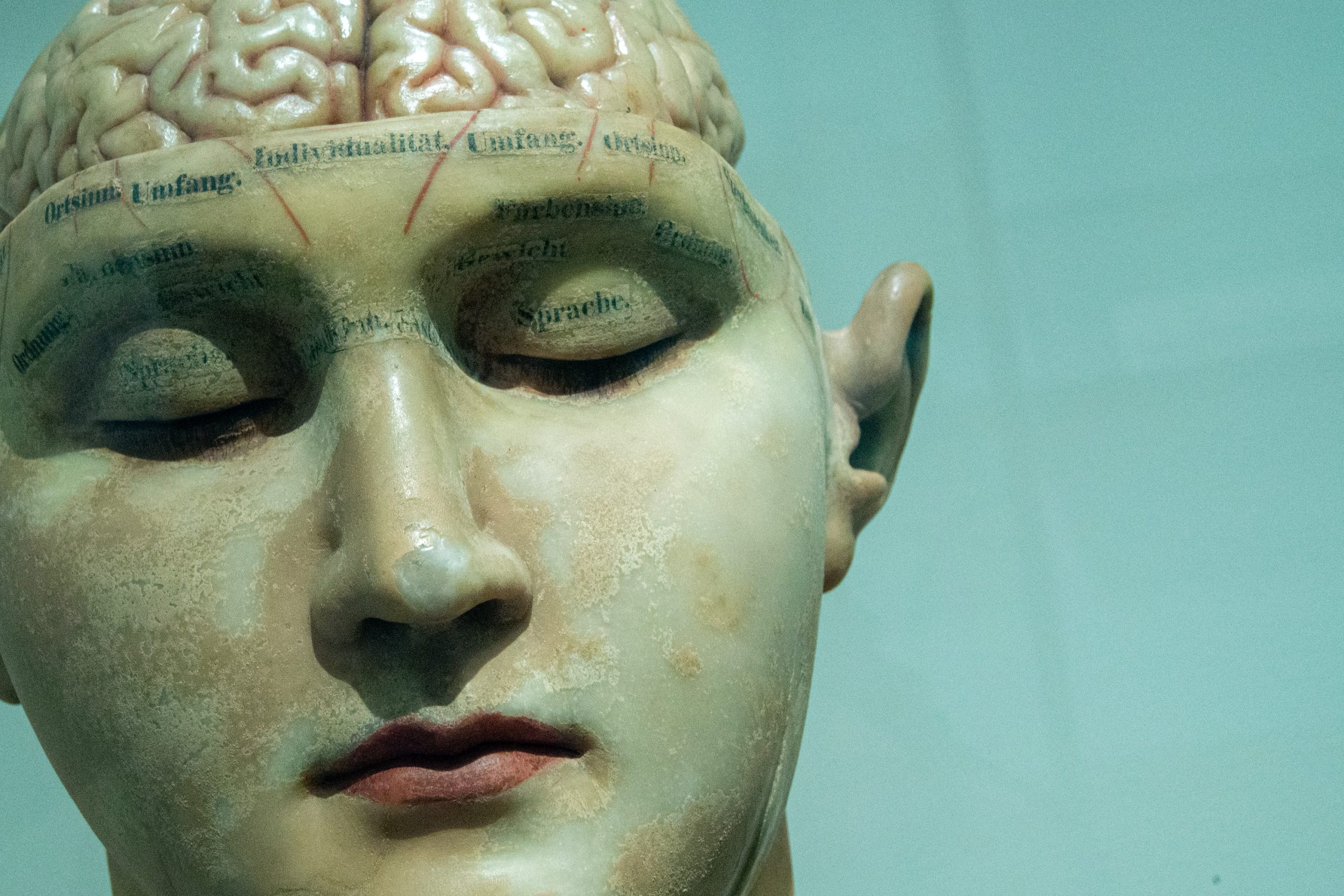
Wisdom is one of many human mental capabilities. Mental vitality is stereotypically associated with youth and mental decline with old age. However, also aging is a price of wisdom. The connection between neurological decline (senility, dementias) and wisdom development during aging is referred to as the paradox of wisdom.
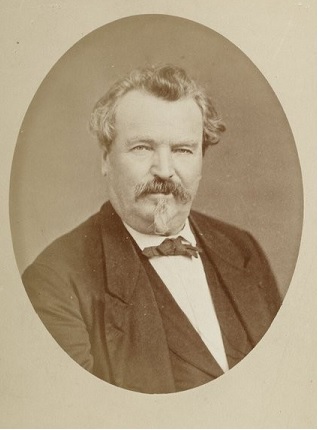
The literature review is an integral part of research. The story of Pierre Trémaux (1818–1895) illustrates how factors, such as hoaxes, fabrications, untrue stories, myths and prejudice, which have nothing to do in science, difficulties in comprehending and accepting new scientific paradigms and also slow and geographically limited dissemination of scientific findings, which results in not being familiar with scientific findings and discoveries elsewhere in the world, are harmful for the ecology of scientific communication.
Dissemination proved to be a complex process that can take very diverse paths with questionable outcomes if not shaped correctly. And there are variety of views in research communities and the society of what the dissemination is. In such a situation it is natural to develop a more solid comprehension of the concept and, based on this, a model of the environment for the dissemination.
Databases are more than just registers providing bibliographic information because of the research history they contain. Database research involves five areas: management, usage, analysis, history/ sociology and methodology /epistemology. A distinction is made between a structural and sociological aspect of databases.
In 2005, Hirsch developed the today commonly known and widely used h-index, the shortest quantitative indicator of the cumulative influence and relevance of the academic work of an individual researcher, a research group or an institution (university, institute, journal, etc.).
We use cookies to ensure that we give you the best experience on our website. If you continue to use this site we will assume that you are happy with it.