The aim of this paper was to subject-index a corpus of contemporary Croatian proverbs using denotative (literal) and connotative (figurative) terms, and to develop a dual thesaurus for searching on the Croatian Proverbs Portal. The research sample consisted of 108 proverbs collected as part of a project defining the Croatian paremiological minimum and optimum. The methodology included two main steps: subject processing of proverbs and creation of a dual thesaurus. Subject processing followed Lancaster’s methodology and consisted of seven phases: denotative analysis, identification of synonyms and related terms, connotative analysis by determining aboutness through corpus analysis, addition of connotative indexing terms, further synonym searches in a dictionary and language portals, and final verification of connotative meanings using artificial intelligence and manual review. Both thesauri were constructed according to Shearer’s methodology. The results showed that 1,074 terms were assigned to the proverbs – 586 denotative and 488 connotative. The denotative thesaurus contains 29 main facets and 380 subfacets, while the connotative thesaurus includes 23 facets and 244 subfacets. The originality of this research lies in its presenting of the first Croatian paremiological thesaurus, also the first thesaurus to separately process denotative and connotative meanings. The practical outcome of this research will be the implementation of the thesaurus on the Croatian Proverbs Portal, enabling more precise and comprehensive searches, and contributing to the digitalization and popularization of Croatian paremiological heritage in educational and scientific contexts.
Web archives are collections produced by libraries and other heritage institutions to permanently preserve online heritage. They often contain large amounts of material stored from the web through the use of web crawlers. From a usage perspective, they are often unpredictable, non-transparent and inconsistent data sources that contain numerous content gaps.
This article provides an overview of computer-based catalogue systems designed for use by library clients, seeing present day discovery systems on the same trajectory as the older online public access catalogues (OPACs) which they are gradually replacing, both in technical development and their approach to client use scenarios. It traces the history of the OPAC/discovery system from its origins in the library automation of the 1960s through to the present and discusses the main technical standards which have formed its development.
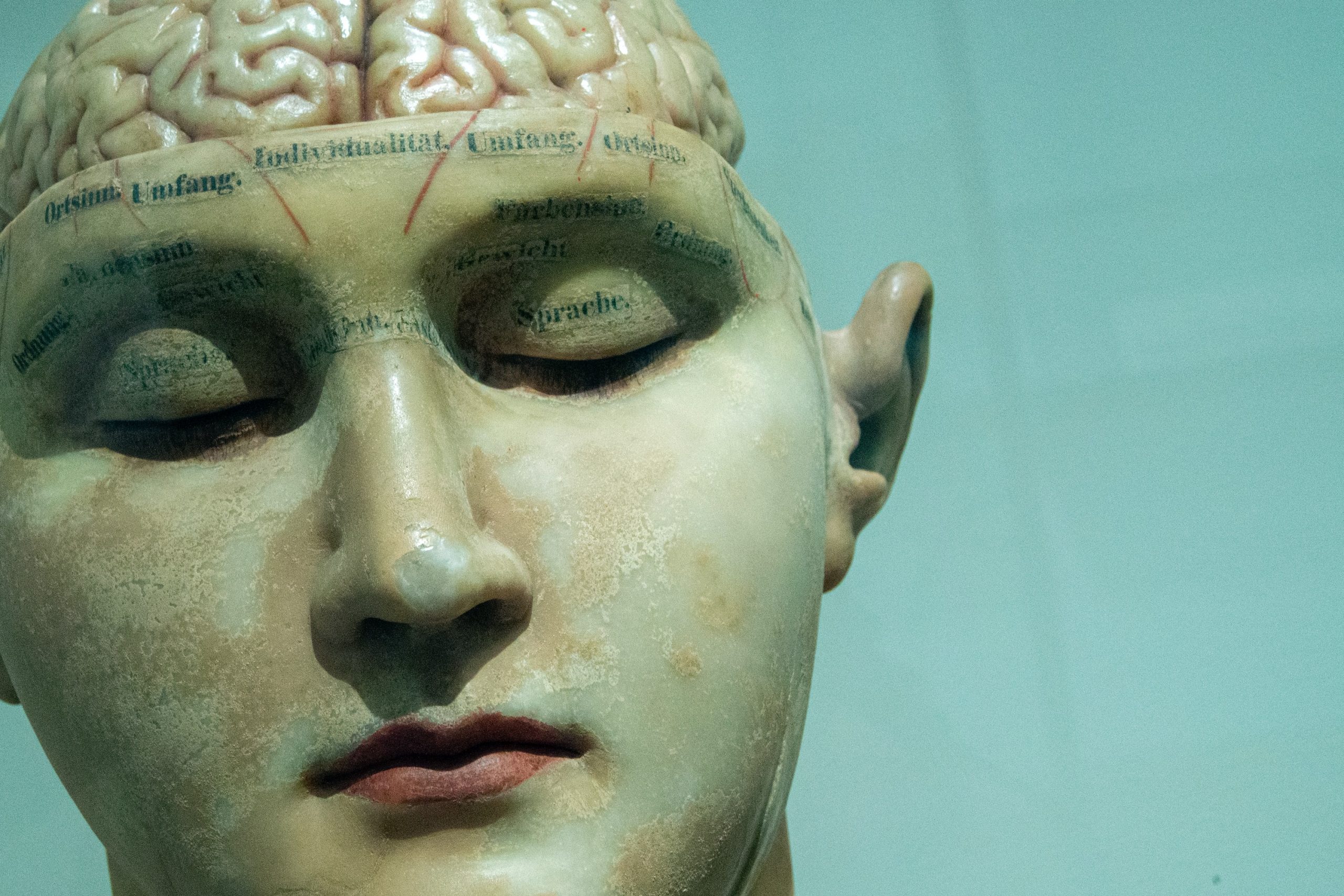
Wisdom is one of many human mental capabilities. Mental vitality is stereotypically associated with youth and mental decline with old age. However, also aging is a price of wisdom. The connection between neurological decline (senility, dementias) and wisdom development during aging is referred to as the paradox of wisdom.
The emergence of information and technology anthropology, and cyborg anthropology at this point runs along a side route. Anthropology of information and technology is the use of the anthropological approach in information science and vice versa, information science should be one of the most important anthropological sciences.
The first part of the article focuses on the semiotic perspective of information theory, the second part, however, is based on the mathematical model of epidemiology or on the notion that information spreads like an infectious disease. This opens up a broad field of information and communication ecology.
The paper presents the situation in Serbian village libraries. It also points out that these libraries do not keep pace with the development of library and information activities in Serbia and that among their users, similar to those in public libraries in cities, there is only a small number of farmers.
Information is part of the data-information-knowledge-wisdom (DIKW) "spectrum". In optics, "spectrum" is a complete range of rainbow colours into which white light is separated when it passes through a glass prism. Based on conclusions different sciences have come to that relate to data, information, knowledge and understanding of meaning, as well as to memory, intelligence, consciousness and wisdom, a renewed theory of information is needed.
We use cookies to ensure that we give you the best experience on our website. If you continue to use this site we will assume that you are happy with it.