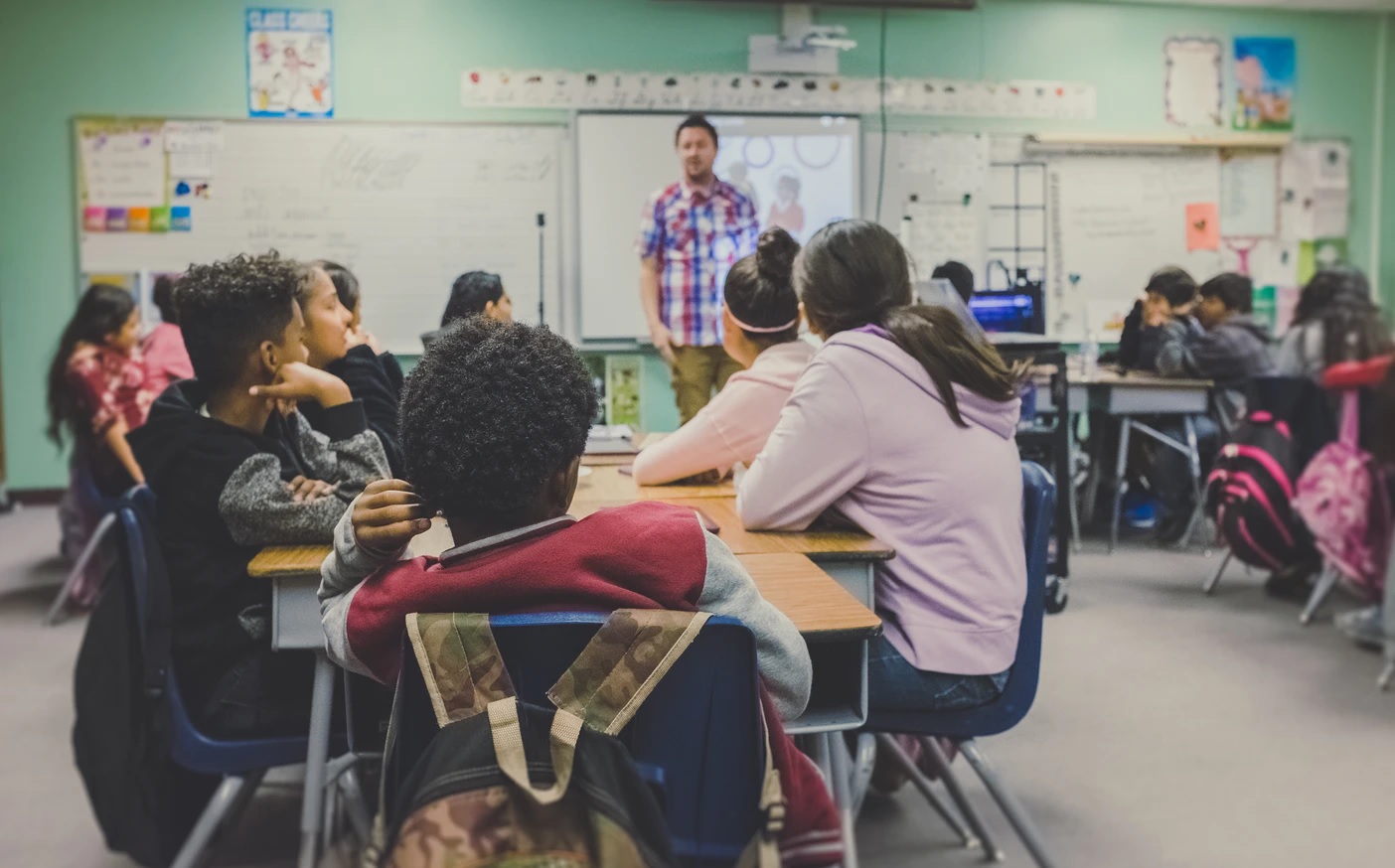
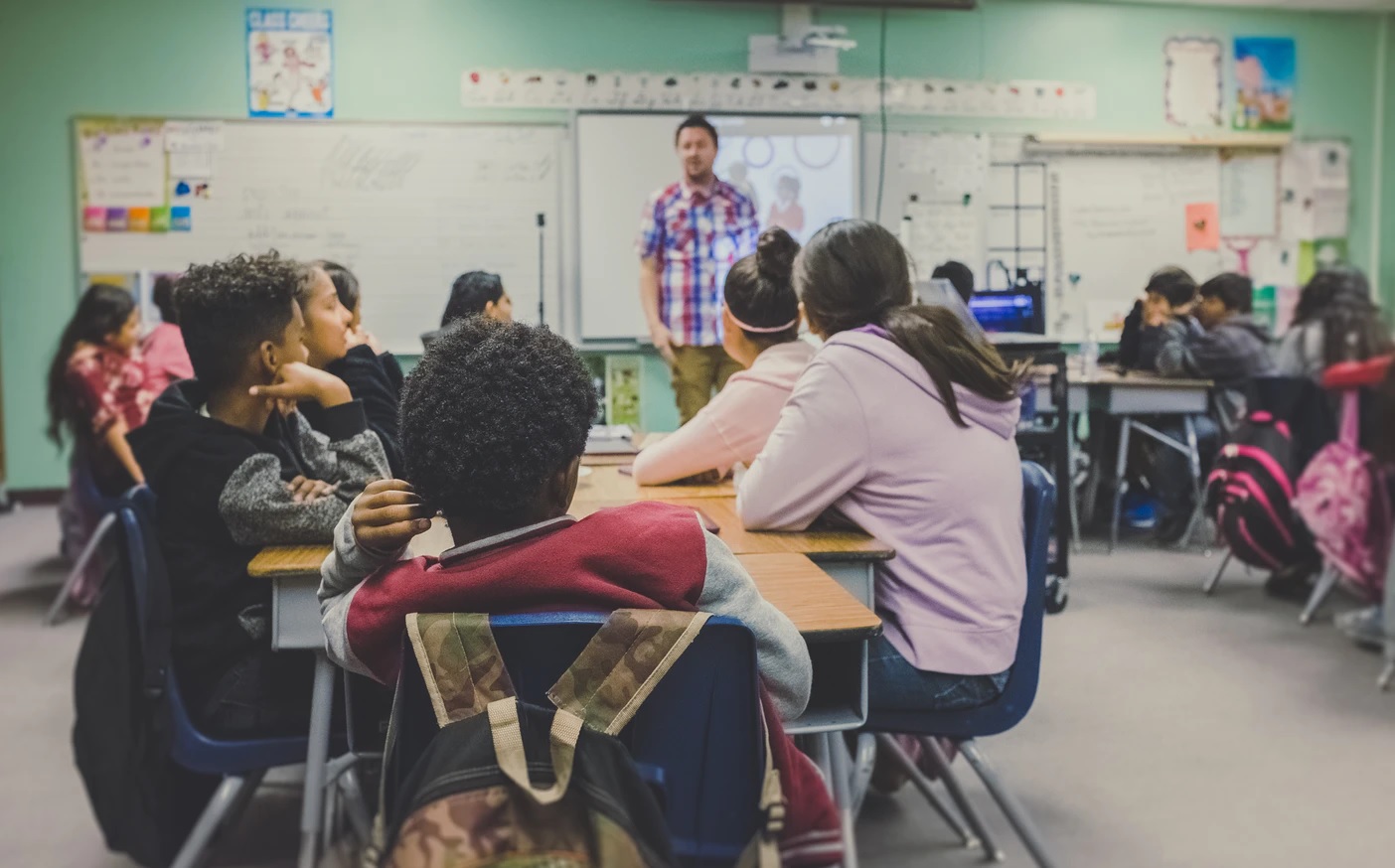
Information technology is increasingly gaining importance in the learning process, especially in lifelong learning and education. This is particularly obvious in distant learning, although the web has already entered traditional school, too, and is affecting the changes of the hitherto practised pedagogical communication. Teachers can no longer maintain a separate school information space, because it is irreversibly being integrated into the public communication sphere. Based on this the webagogy is emerging, the art and science of using networked technologies, including the World Wide Web and email to support teaching and learning. Traditional pedagogical excellence is being enhanced by the information technology, and a hybrid teaching model is being constructed. The transition into the information society confronted the school with major challenges that require both explicit innovativeness and a continuum of the best pedagogical practices.
The education system should provide an inclusive learning environment where every individual is important and entitled to equal opportunities. This paper presents the activities and functionalities of the Moodle virtual learning environment based on the case study of the e-classroom where the potential for providing an inclusive learning environment based on the idea of personalised learning was analysed.
Participation in professional events in the fields of reading literacy and reading culture has a positive impact on boosting professional self-confidence. The available data reflects the accessibility of professional events for the promotion of reading literacy and reading culture in Slovenia. Practitioners attend such training, but at the same time, they doubt their competence to encourage and plan the development of reading literacy and reading culture.
Teaching and learning how to organize information effectively is a complex process both for educators and students. Cataloguing, which is defined as the process of organizing information by making bibliographic records, is the established procedure for achieving the goal mentioned. Learning the process of cataloguing can be difficult for students because they must become familiar with a large amount of new and complex contents.
In this paper we discuss the competencies of librarians and informatologists, terminological disagreements as well as attempts to investigate the various paths of influence on academic education in the field of Information sciences.
The paper presents a critically based overview of didactic approaches and models that have been developing as a part of the education idea in 21st century. The discussion is focused on challenges provoked by information and telecommunication technology and its applications in the educational processes.
As part of its mission in the Slovenian librarianship sphere, IZUM puts great emphasis on education and training. Today’s way of life is very information- and technology-oriented, and e-learning with its online access to contents can additionally improve information literacy and also the quality of lifelong learning as a basic human right.
Learning and knowledge acquisition with new forms of learning in the education process is based on one"s construction and deconstruction of meaning and the learner"s interaction with the world in a certain social and cultural environment. Each person is responsible for their own learning and how to manage it. As active learning is based on independent and active engagement in the teaching and learning process, finding and gathering information from various sources is an important part of any form of learning and teaching, particularly in the academic environment.
We use cookies to ensure that we give you the best experience on our website. If you continue to use this site we will assume that you are happy with it.