The electronic interchange of business documents is a well-known procedure, which has been used for a long time; the EDIFACT standard, which defined it, was created some time ago. In recent years this standard has been increasingly used for the acquisition of library materials. Similarly, Slovenian libraries became increasingly aware of the advantages of modern technologies for the interchange of business documents related to the acquisition processes. In the COBISS3 software, functionalities in the COBISS3/Acquisitions module have been upgraded by adding the option of order transfer between customer and supplier, the EDIFACT standard has been taken into consideration. After initial experience gained by the Central Technological Library at the University of Ljubljana, which initiated the implementation of the new software functionality currently used for the acquisition of library materials from abroad, some other functionalities provided by EDIFACT will also be implemented in the COBISS3 software. Libraries will find transition to the new technology simple and it provides economic benefits, reliability and a modern approach in the acquisition of library materials.
One of the key tasks of the e-ARH.si: ESS 2016–2020/2021 project was ensuring accessibility for vulnerable groups. To achieve this goal, we included individuals with disabilities in the project team. As part of this project, more than 2,100 different types of archival records were adapted, and the websites of all six regional archives were adjusted for vulnerable groups.
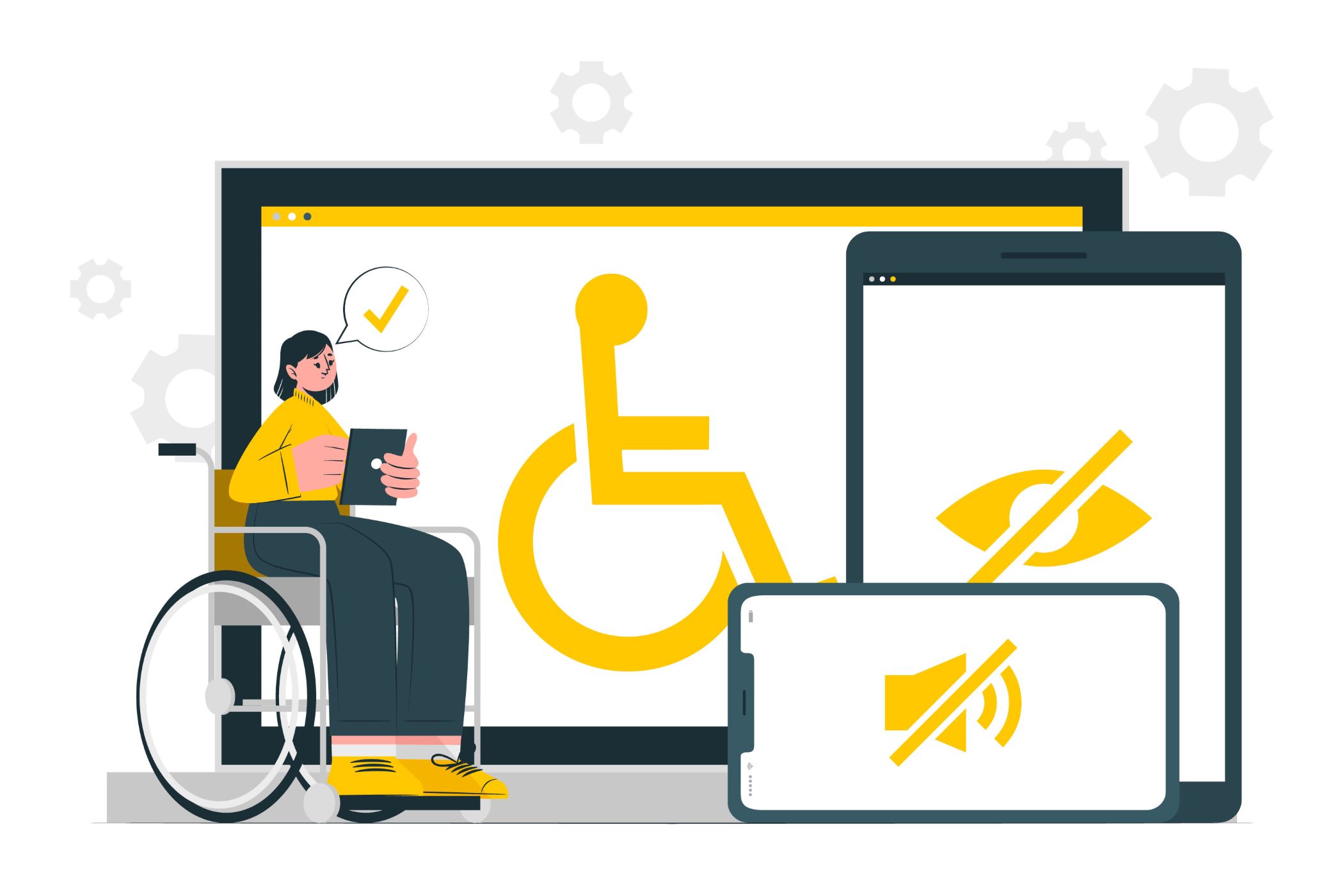
The concept of web accessibility provides the basis for ensuring accessibility of websites and mobile apps for all users, primarily for persons with a disability. The Accessibility of Websites and Mobile Applications Act from 2018 represents a regulation of minimal harmonization and it summarizes the EU directive. Although the act was adopted several years ago, the situation in Slovenia is still relatively undeveloped.
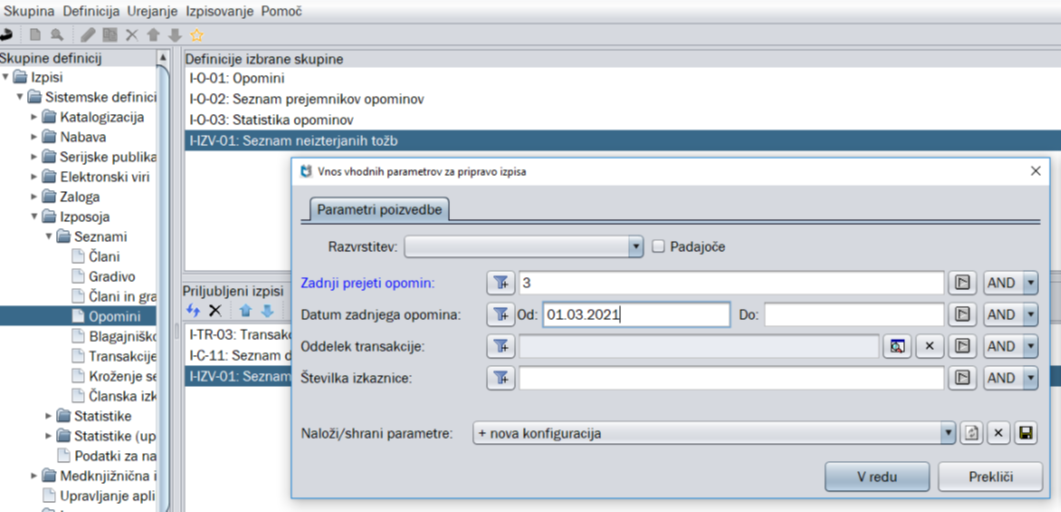
Kranj City Library is one of the largest Slovenian public libraries, which, like most Slovenian libraries, also deals with the debts of its users. Prohit Claims Management Agency helps us to collect the debts. Before collection by an external contractor, we first carry out a series of procedures in the library to collect the debts ourselves. We regularly monitor the debts of library users and inform them about their debts.
The article presents in detail the data on the annual increment of bibliographic records in 2020 at annual and monthly levels. The analysis includes 185,518 bibliographic records created by 545 cataloguers from 247 libraries. In the last quarter of the year, 30.4% of bibliographic records were created.
In 2020, IZUM released the first version of the COBISS Digital Repository (dCOBISS), which is an independent web app, intended for storing and managing digital content. It is available to all libraries in the COBISS system and it works by principles of shared access to publications in dCOBISS.
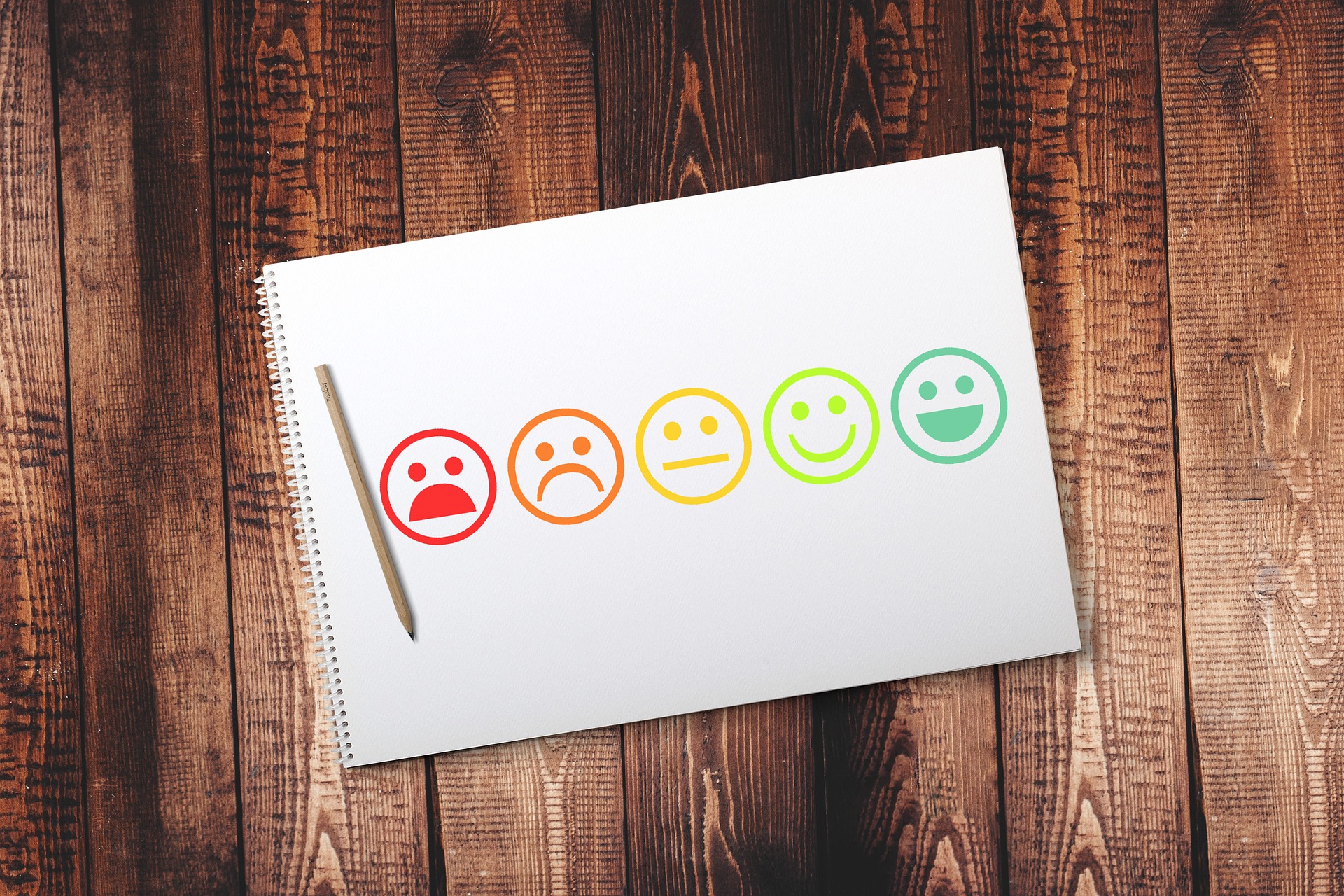
User experience is becoming an increasingly important aspect of the quality of services, products and even bibliographic information systems. Due to the lack of comprehensive research into user experience in bibliographic information systems, we developed a questionnaire, covering all key dimensions and aspects of user experience and taking into account the specificities of bibliographic information systems.
In Slovenia, 301 libraries and 689 cataloguers with permits for shared cataloguing of monographs participate in shared cataloguing. The article presents the annual increment of bibliographic and authority records in COBIB.SI in 2019.
The paper reviews, with some historical distance, the circumstances leading to the VMS operating system becoming the basis for developing and implementing the COBISS national shared bibliographic system.
The article presents and analyses selected digital humanities projects and research initiatives in which libraries and other heritage institutions participate actively. These ambitious global projects supplement the existing knowledge on general and specific social and cultural-historical phenomena in the field of written cultural heritage with the help of web-based applications, tools and the collaborative location-independent research approach.
In 2019, the Public Library of Užice conducted a survey to assess the level of user knowledge of the search process in COBISS/OPAC (now COBISS+). The survey consisted of the following segments: user profile, most commonly used access points, use of screen tips and ease of searching, and user evaluation of the search results obtained.
We use cookies to ensure that we give you the best experience on our website. If you continue to use this site we will assume that you are happy with it.