
Knjižnice med Gutenbergom in Gatesom: Vloga znanstvenih knjižnic v novo nastajajoči medijski krajini
Libraries have gone throughout many changes in history; nowadays, with names like Gates and Joy, they find themselves at a similiar turning point as once personified by Gutenberg. EU is aware of the depth of the metamorphosis taking place and supports it with different political documents, such as the Guidelines on Library Related Legislation and Policy which are dealt with in detail in this article. They refer to free access to information, to the role of libraries in the national information policy, to the objectives of libraries in the industry of knowledge and to the protection of the written heritage. The measures taken by the Austrian librarian science in view of modern information and communication technology are dealt with.
Keywords
- Year: 2002
- Volume (number): 07 (3-4)
- Published: 31. 12. 2002
- Article number: /
Related Posts
Subject indexing and creation of the paremiological thesaurus of contemporary Croatian proverbs
The aim of this paper was to subject-index a corpus of contemporary Croatian proverbs using denotative (literal) and connotative (figurative) terms, and to develop a dual thesaurus for searching on the Croatian Proverbs Portal.

How are web archives created? Technical aspects of web content capture
Web archives are collections produced by libraries and other heritage institutions to permanently preserve online heritage. They often contain large amounts of material stored from the web through the use of web crawlers. From a usage perspective, they are often unpredictable, non-transparent and inconsistent data sources that contain numerous content gaps.

Online public access catalogues and library discovery systems
This article provides an overview of computer-based catalogue systems designed for use by library clients, seeing present day discovery systems on the same trajectory as the older online public access catalogues (OPACs) which they are gradually replacing, both in technical development and their approach to client use scenarios. It traces the history of the OPAC/discovery system from its origins in the library automation of the 1960s through to the present and discusses the main technical standards which have formed its development.
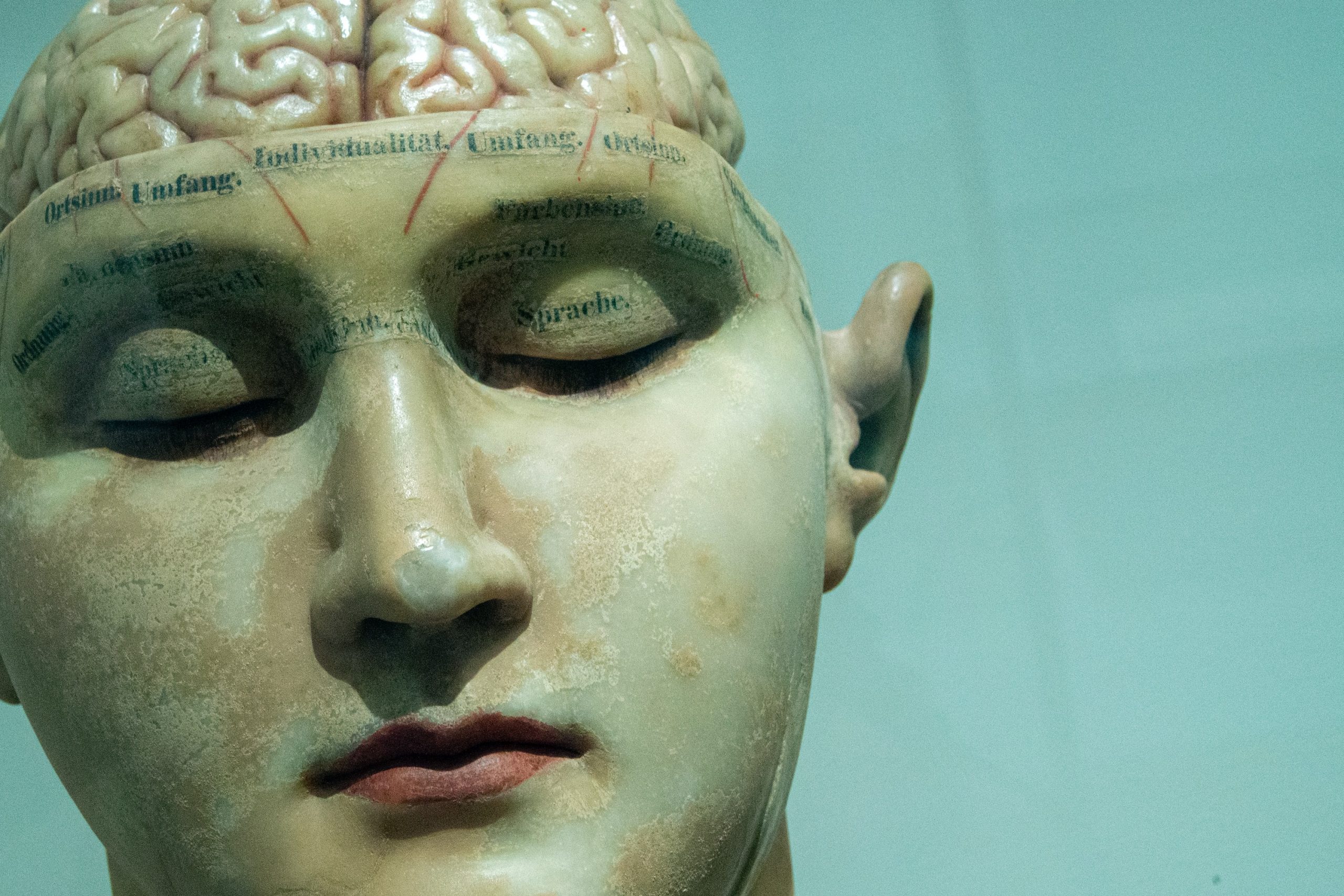
Connection between information science and psychology based on the example of the paradox of wisdom, part 1
Wisdom is one of many human mental capabilities. Mental vitality is stereotypically associated with youth and mental decline with old age. However, also aging is a price of wisdom. The connection between neurological decline (senility, dementias) and wisdom development during aging is referred to as the paradox of wisdom.

Antropologija informacij: transdisciplinarno podpolje informacijske znanosti
The emergence of information and technology anthropology, and cyborg anthropology at this point runs along a side route. Anthropology of information and technology is the use of the anthropological approach in information science and vice versa, information science should be one of the most important anthropological sciences.


Informacijska ekologija: 2. del članka Plaidoyer za prenovljeno teorijo informacij
The first part of the article focuses on the semiotic perspective of information theory, the second part, however, is based on the mathematical model of epidemiology or on the notion that information spreads like an infectious disease. This opens up a broad field of information and communication ecology.
Nova uloga seoskih biblioteka u savremenom bibliotekarstvu
The paper presents the situation in Serbian village libraries. It also points out that these libraries do not keep pace with the development of library and information activities in Serbia and that among their users, similar to those in public libraries in cities, there is only a small number of farmers.

Plaidoyer za prenovljeno teorijo informacij
Information is part of the data-information-knowledge-wisdom (DIKW) "spectrum". In optics, "spectrum" is a complete range of rainbow colours into which white light is separated when it passes through a glass prism. Based on conclusions different sciences have come to that relate to data, information, knowledge and understanding of meaning, as well as to memory, intelligence, consciousness and wisdom, a renewed theory of information is needed.
