The development of IT significantly affects traditional teaching and learning and it slowly changes them into e-teaching and e-learning. Such a development requires from all participants in educational systems to follow the IT development and build their own information literacy in the Web 2.0 environment. The latter has become a social and participative environment and the user is the focal point of events. Access to the Internet has stopped being a privilege – it has become a common thing, a must. The simplicity of Web 2.0 and its tools, which enable users to collect, provide and create content, will make the future so much more colourful. Technological and social changes, in particular, will enhance mobility, flexibility and unlimited space.
Slovenian Artificial Intelligence Factory (SLAIF) provides an environment for the development and deployment of artificial intelligence (AI), integrating supercomputing capabilities, data resources, expertise and the European EuroHPC infrastructure. The project aims to accelerate research, innovation and the adoption of AI solutions in science, the economy and the public sector.
One of the key tasks of the e-ARH.si: ESS 2016–2020/2021 project was ensuring accessibility for vulnerable groups. To achieve this goal, we included individuals with disabilities in the project team. As part of this project, more than 2,100 different types of archival records were adapted, and the websites of all six regional archives were adjusted for vulnerable groups.
The education system should provide an inclusive learning environment where every individual is important and entitled to equal opportunities. This paper presents the activities and functionalities of the Moodle virtual learning environment based on the case study of the e-classroom where the potential for providing an inclusive learning environment based on the idea of personalised learning was analysed.
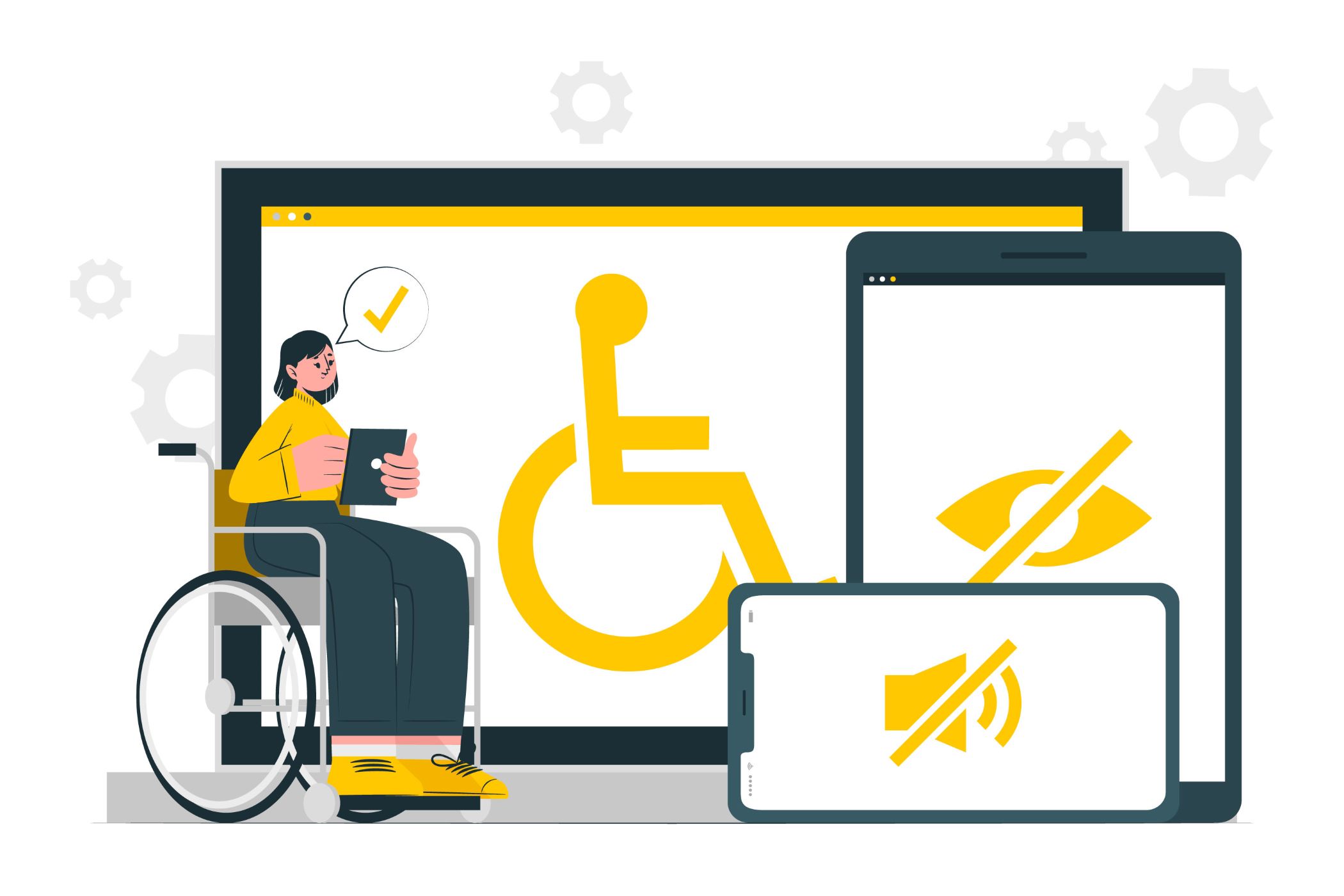
The concept of web accessibility provides the basis for ensuring accessibility of websites and mobile apps for all users, primarily for persons with a disability. The Accessibility of Websites and Mobile Applications Act from 2018 represents a regulation of minimal harmonization and it summarizes the EU directive. Although the act was adopted several years ago, the situation in Slovenia is still relatively undeveloped.
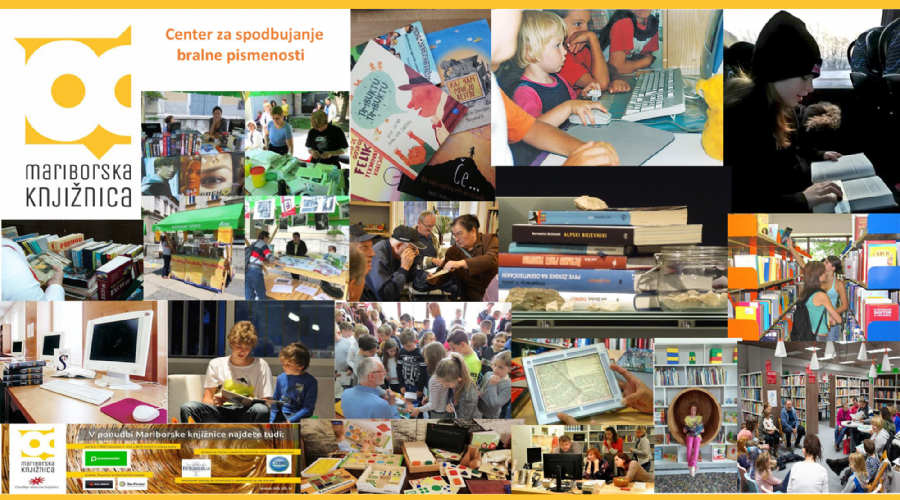
Participation in professional events in the fields of reading literacy and reading culture has a positive impact on boosting professional self-confidence. The available data reflects the accessibility of professional events for the promotion of reading literacy and reading culture in Slovenia. Practitioners attend such training, but at the same time, they doubt their competence to encourage and plan the development of reading literacy and reading culture.
Teaching and learning how to organize information effectively is a complex process both for educators and students. Cataloguing, which is defined as the process of organizing information by making bibliographic records, is the established procedure for achieving the goal mentioned. Learning the process of cataloguing can be difficult for students because they must become familiar with a large amount of new and complex contents.
The paper reviews, with some historical distance, the circumstances leading to the VMS operating system becoming the basis for developing and implementing the COBISS national shared bibliographic system.
The article presents and analyses selected digital humanities projects and research initiatives in which libraries and other heritage institutions participate actively. These ambitious global projects supplement the existing knowledge on general and specific social and cultural-historical phenomena in the field of written cultural heritage with the help of web-based applications, tools and the collaborative location-independent research approach.
In this paper we discuss the competencies of librarians and informatologists, terminological disagreements as well as attempts to investigate the various paths of influence on academic education in the field of Information sciences.
The paper presents a critically based overview of didactic approaches and models that have been developing as a part of the education idea in 21st century. The discussion is focused on challenges provoked by information and telecommunication technology and its applications in the educational processes.
We use cookies to ensure that we give you the best experience on our website. If you continue to use this site we will assume that you are happy with it.